As we, as a society, continue to live with the realities of COVID, concerning trends are continuing to emerge about the use of alcohol. References to alcohol circulating on social media are often framed in a light hearted way seeing alcohol as a coping mechanism during quarantine and as a natural accompaniment to a ‘virtual’ get together with family and friends. While most people would view these as harmless fun, or part of the new normal, there are worrying facts which continue to show the dangers of alcohol for example:
- Is a risk factor for spreading infection and increasing risks of complications while also causing other medical and social problems that burden healthcare and other services
- Weakens immune system functioning and affects a range of organs, thereby increasing the risk of viral infection, severity, recovery and long-term consequences
- Heavy use of alcohol increases the risk of acute respiratory distress syndrome (ARDS), one of the most severe complications of COVID-19
All health experts are keen to caution against adding alcohol related problems including alcohol dependency to the list of problems we as individuals, families and a society will have to face on the other side of this pandemic.
Concerning Trends Emerging
- Research shows that declaring alcohol ‘essential’ – as some jurisdictions have done – has fuelled greater numbers of other alcohol-related illnesses and injuries
- Alcohol deaths reached record high during COVID pandemic (Ref.BMJ 2021;372:n317)
- Deaths caused by alcohol products in England and Wales increased by 16.4% during January to September 2020 amidst COVID-19 compared to the same time period in 2019 so there is reason to believe that figures for Ireland are likely to be similar
- In 2020 there was an 88% increase in the number of domestic violence cases dealt with by the DPP. Alcohol is a major trigger for domestic violence
- Similar to Ireland, the UK on-demand alcohol delivery was expanded during the pandemic, thus increasing alcohol availability and fuelling alcohol problems. Major concerns around on-demand alcohol delivery are the inability to protect u18s through effective age verification and to protect people who are already intoxicated through avoiding selling and delivering more alcohol to them
To ensure you are not putting yourself at risk, it is important to be aware of your drinking pattern and subsequent behaviours.
- Avoid alcohol altogether so that you do not undermine your own immune system and health and do not risk the health of others
- Stay sober so that you can remain vigilant, act quickly and make decisions with a clear head, for yourself and others in your family and community
- If you drink, keep your drinking to a minimum and avoid getting intoxicated
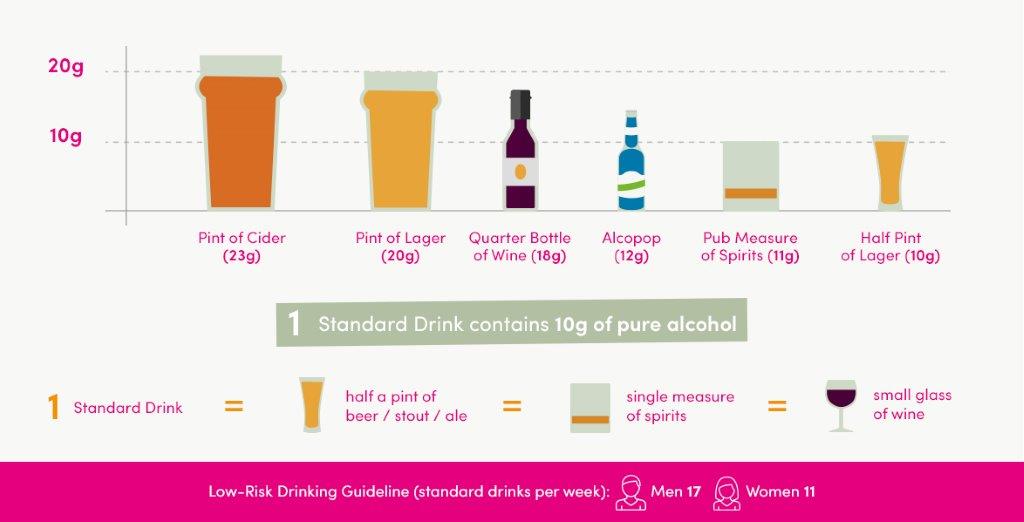
- Avoid alcohol or remain within the low risk guidelines as follows, men should consider consuming less than 2-3 drinks per day and women should consider consuming less than 1-2 drinks per day, with 2 – 3 alcohol free days per week
- Keep track of how you are drinking. Are you sipping or gulping your drinks? Your liver can only break down one standard drink per hour
- Try to create a firm discipline for yourself around number and timing of drinks consumed, such as not drinking before 9 or 10pm and not drinking on weekdays
- Don’t stockpile alcohol. We’re more likely to reach for a drink more frequently if it’s available to us
- Look after your general mental health. Visit www.yourmentalhealth.ie for tips on how to mind your mental health during the coronavirus outbreak
- Try to name how you are feeling and avoid using alcohol to cope with stressful feelings
- Try to avoid drinking in front of children
Check out the following tools on www.askaboutalcohol.ie to help you:
- http://www.askaboutalcohol.ie/drinkscalculator – helping to calculate how much you are currently drinking
- http://www.askaboutalcohol.ie/selfassessmenttool – helping to assess your level of risk due to your alcohol use
- http://www.askaboutalcohol.ie/benefits – benefits of cutting down
- http://www.askaboutalcohol.ie/selfhelpstrategies – Self-help for problem alcohol or drug use
- http://www.askaboutalcohol.ie/dependence – Alcohol dependence