
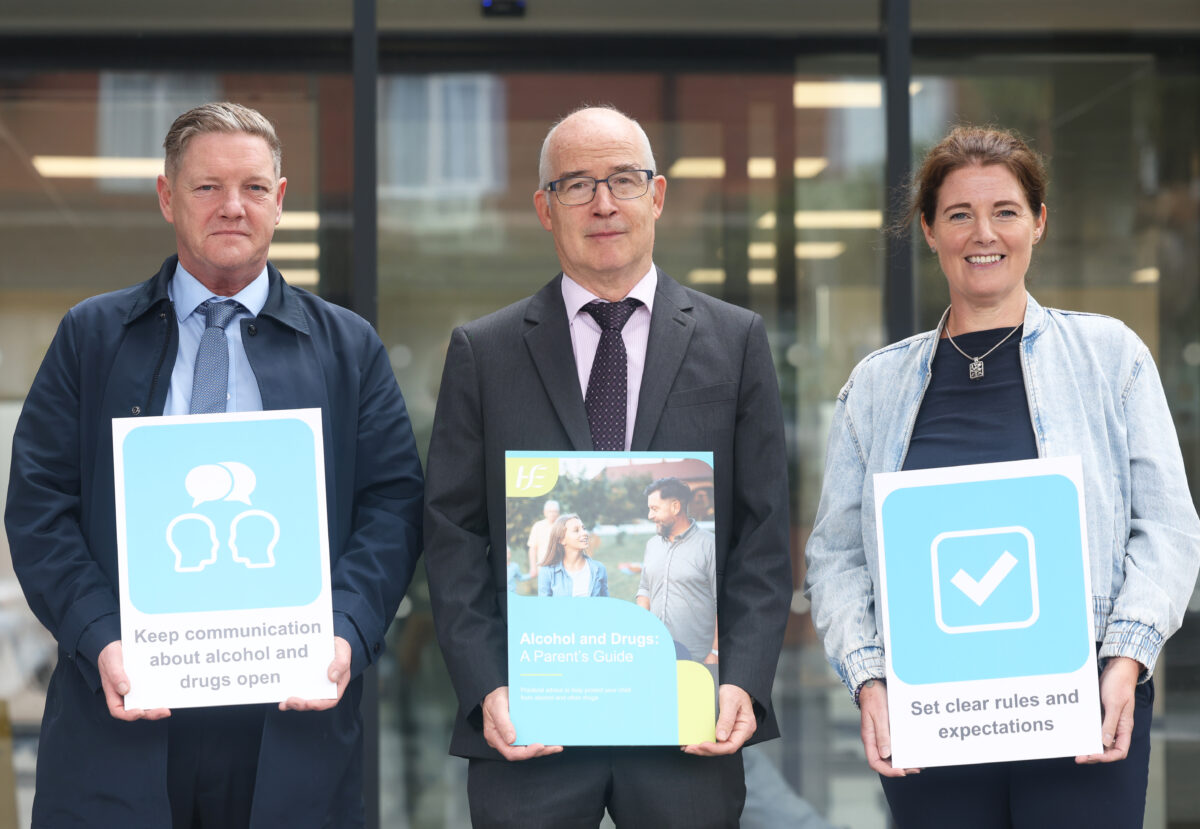
This updated HSE resource was developed with HSE healthcare professionals working in this area and is grounded in current evidence and best practice. The guide offers practical advice to help parents and caregivers talk to children about alcohol and drugs. It also provides some useful guidance on how to support children when faced with peer and social pressure.
As a parent or caregiver, you have a strong influence on a young person’s life and their decisions, even as they get older. Simply telling young people not to use alcohol or drugs is usually not enough. They are influenced by many factors, including their community, school, friends, family and online devices. Research shows that when parents clearly communicate they do not approve of alcohol or drug use, young people are less likely to use them.
Knowing how and young people use alcohol or drugs, and what’s happening in Ireland right now, can help you have supportive and informed conversations with your child. Understanding the facts, including the actual figures on alcohol and drug use, can help reduce pressure on young people and support healthier behaviours.
Research shows:
- The most common age to first drink alcohol in Ireland is 15 years old
- By age 15-16, about two thirds of young people have tried alcohol at least once
- By age 16, about 1 in 8 young people have tried a drug, usually cannabis
- By age 18, two-thirds of young people have never used drugs
- 1 in 3 young people have been in a situation where they could have used drugs but chose not to
This new revised guide explains 6 clear steps to protecting your child from Alcohol and Other Drugs, by:
- Building a close relationship
- Setting clear rules and expectations
- Being a positive role model for your child
- Talking openly about alcohol and other drugs
- Helping your child stay safe when they socialise
- Staying involved and connected
What makes a difference is how you communicate, the expectations you set, and the example you give. Even if it doesn’t always seem like it, what you say and do matters.
For more information on each of the 6 steps, download or order a free copy here.