
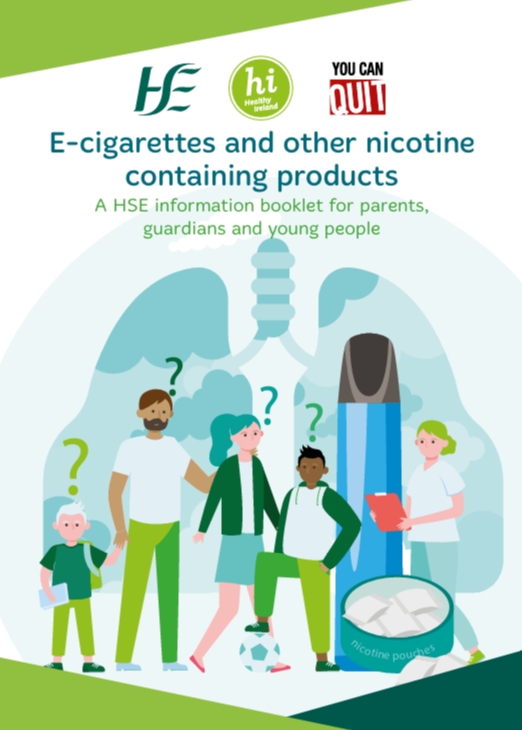
The rapid rise in vaping and nicotine pouch use among teenagers has become a growing concern for parents, educators and health professionals. The popularity of vaping among teenagers has grown significantly in recent years. Current research indicates that one in five young people aged 15 to 18 uses e-cigarettes, while many more have experimented with them. At the same time, nicotine pouches, small sachets placed between the lip and gum, are becoming more common among adolescents because they are discreet and easy to use.
Vapes create an aerosol by heating a liquid that often contains nicotine, flavourings and a range of other chemicals. While packaging may suggest certain ingredients, it is not always easy to know exactly what a product contains. Studies have identified substances such as heavy metals, ultrafine particles and chemicals associated with lung disease and cancer in some vaping products.
One of the greatest concerns associated with vaping is nicotine addiction. Most vaping products contain nicotine, which can quickly lead to dependence. Young people are particularly vulnerable because their brains are still developing. Regular nicotine use can affect concentration, mood and impulse control, while cravings can make it difficult to stop using these products. Young users may experience symptoms such as nausea, dizziness, anxiety, headaches and an increased heart rate. Those trying to quit often report withdrawal symptoms including irritability, poor concentration, sleep difficulties and strong cravings for nicotine. Emerging evidence also suggests that vaping may affect heart and lung health, although the full long-term impact will not be known for many years.
Nicotine pouches bring their own risks. In addition to addiction, they have been associated with mouth ulcers, gum irritation, dry mouth, stomach problems and the possibility of nicotine poisoning. As these products are relatively new, many of their long-term health effects remain uncertain.
Parents can play a vital role by creating opportunities for open and honest conversations. Rather than focusing solely on rules, experts recommend asking questions, listening carefully to young people’s views and discussing the facts about nicotine and addiction. Helping teenagers develop strategies for dealing with peer pressure can also build confidence and support healthier choices. While vaping and nicotine pouches may appear less harmful than traditional smoking, they are not risk-free. Understanding the facts and maintaining open communication can help young people make informed decisions about their health and wellbeing.
Please link to:
www.healthpromotion.ie/media/documents/HSE_Vaping_and_Pouch_informaton_2025_A5_TFIPub.pdf
https://www2.hse.ie/living-well/quit-smoking/other-products/young-people/